
Why Visit Alfama; Ride the Famous Tram 28; Major Stops Along the Route; São Jorge Castle; Best Lisbon Viewpoints; Where to Stay Near Tram 28; Insider Tips for Riding Tram 28
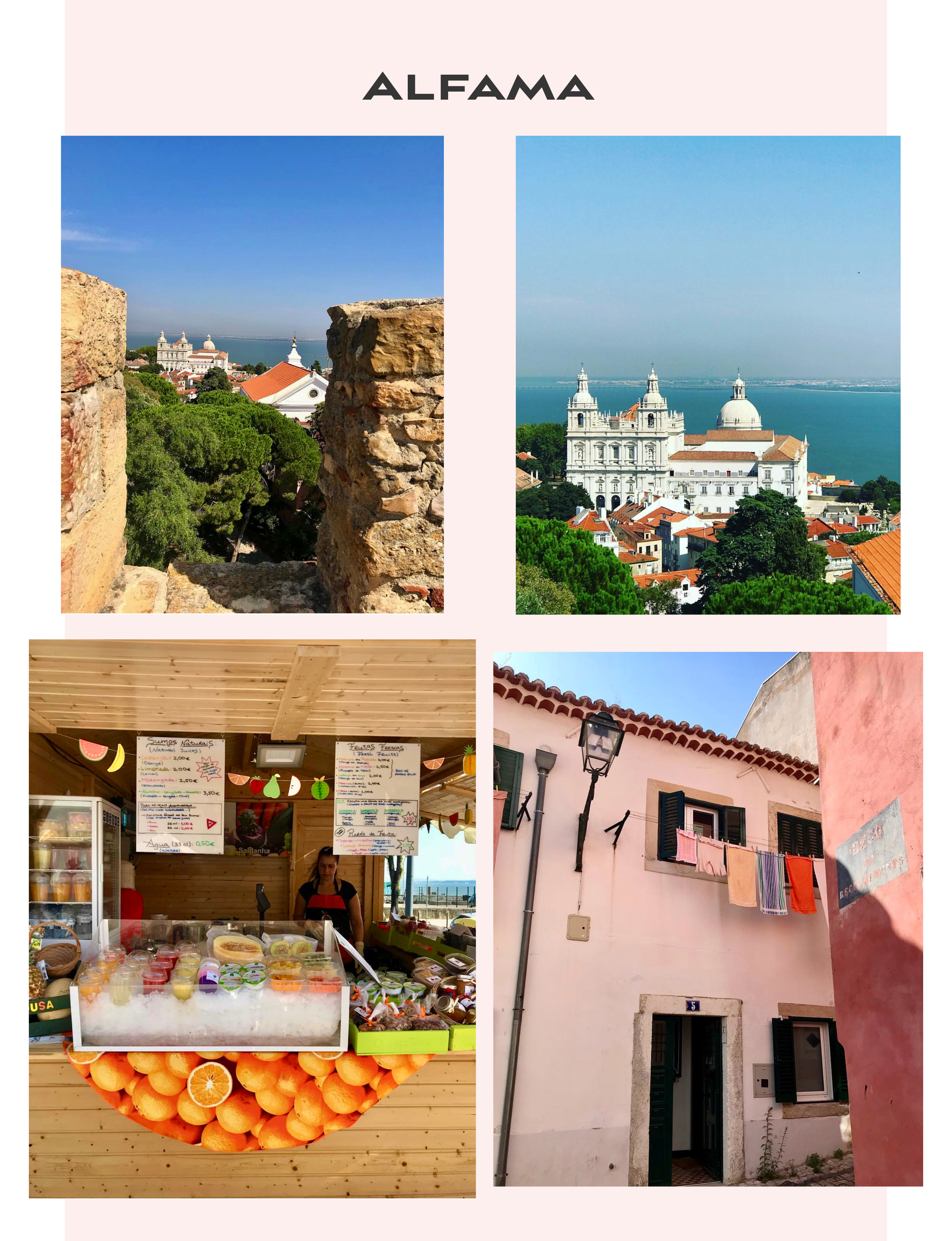
Alfama
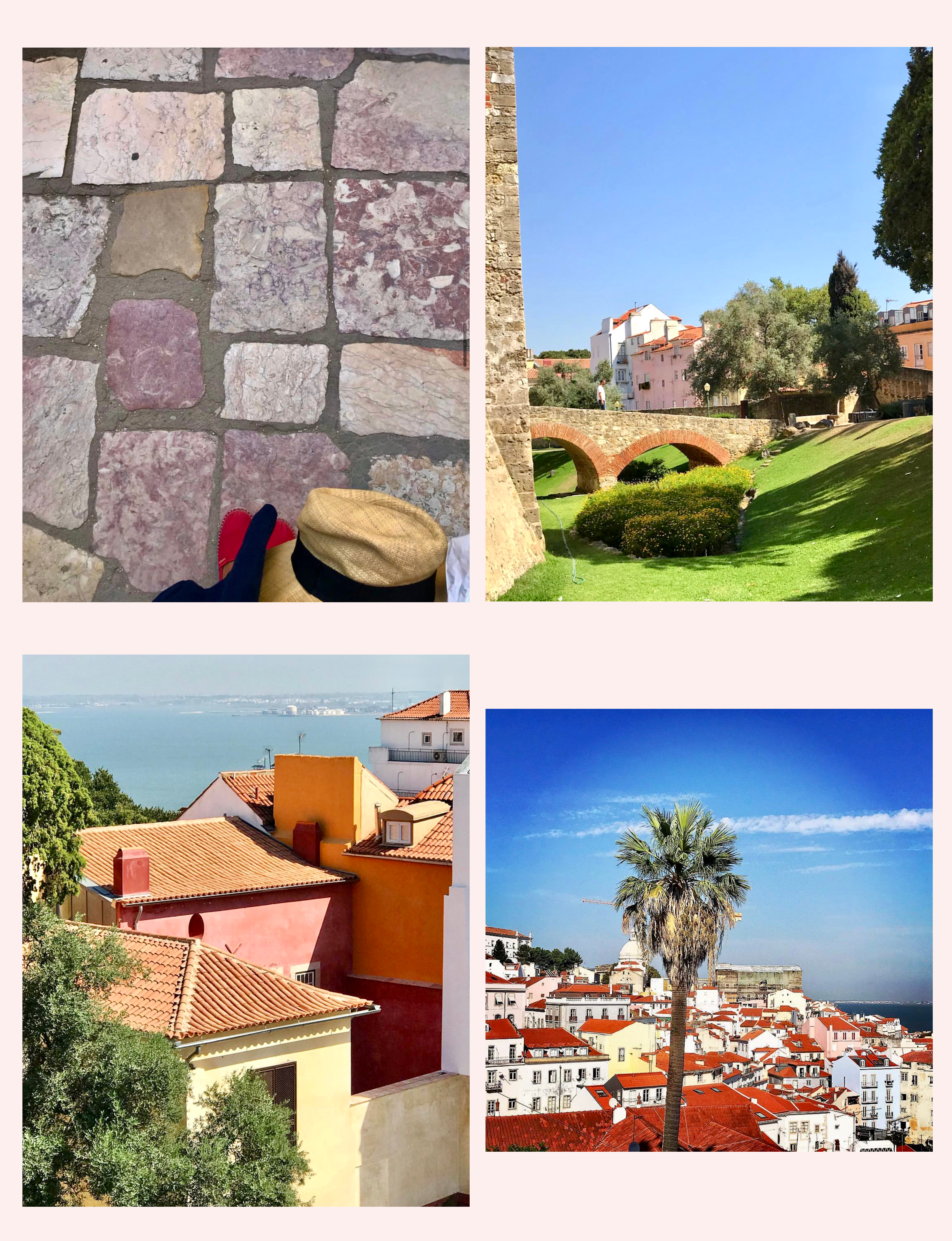
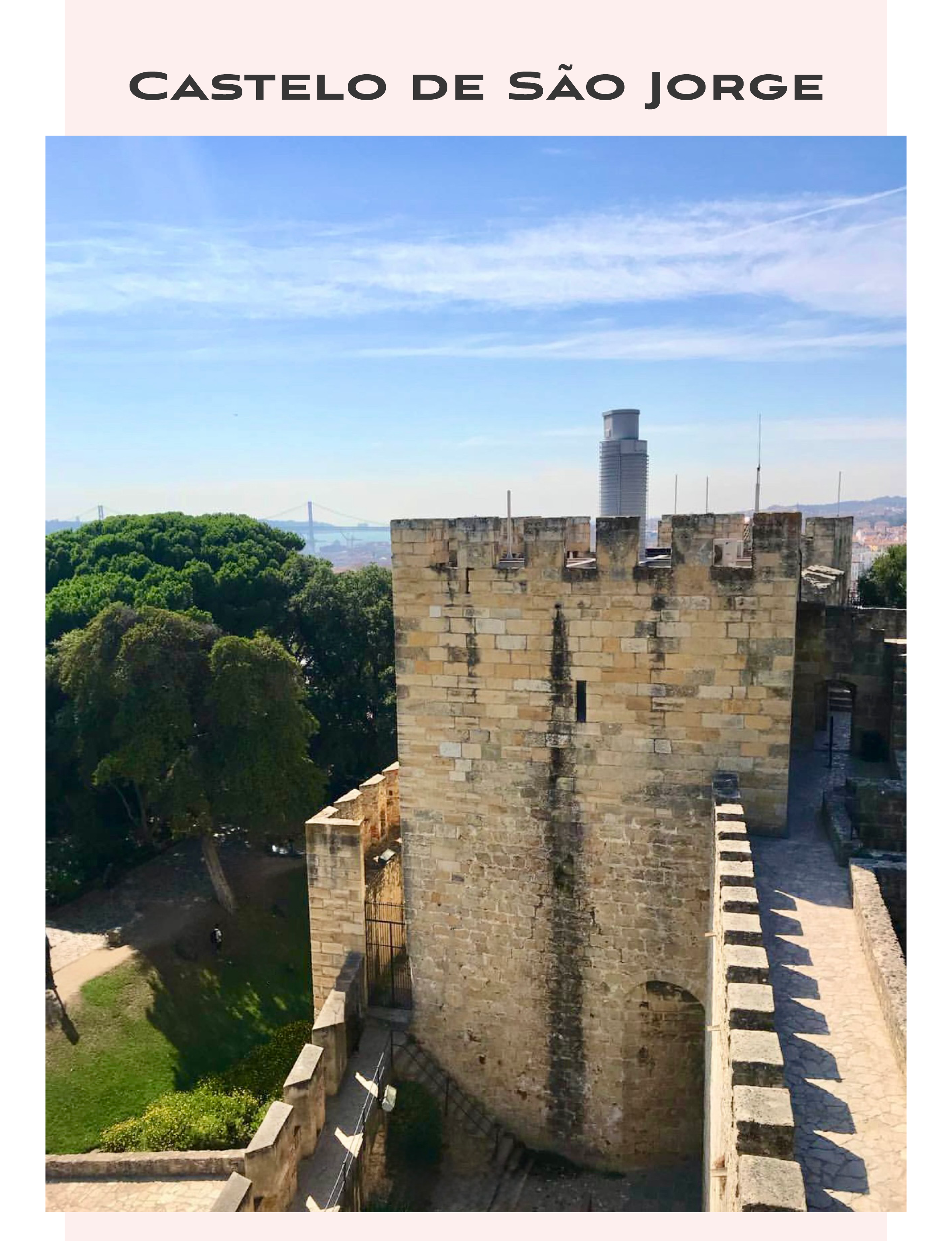
Castelo de São Jorge
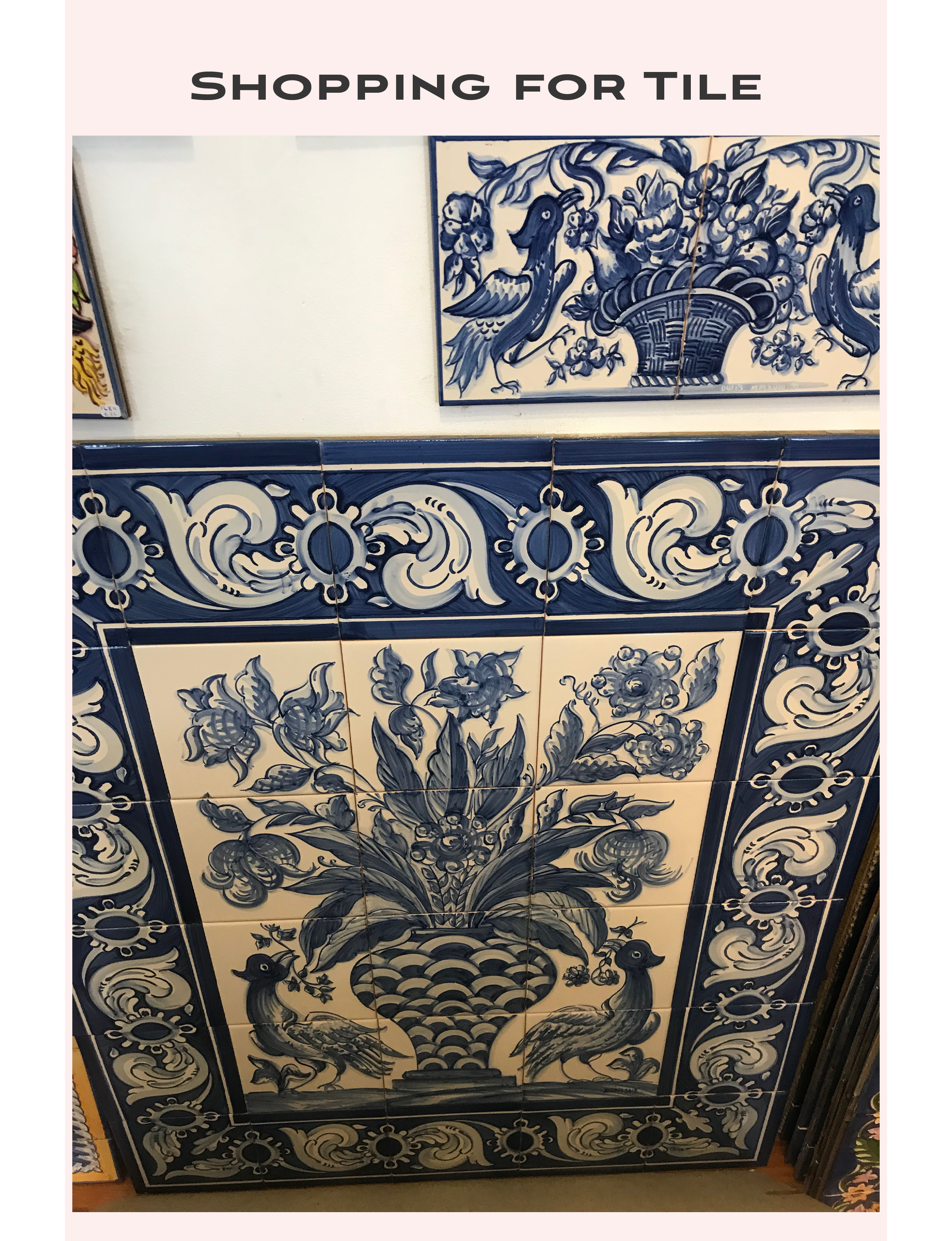
Shopping for Tile
Tram 28
Tram 28 is not just a mode of transportation; it's a unique experience that encapsulates the charm and history of Lisbon. The journey takes you back in time, traversing hills and medieval streets in vintage trams from the 1930s, a rare sight in today's public transportation. These iconic vehicles pass by major attractions, making it a must-do experience recommended by guidebooks. Here’s what you need to know before you hop on:
Line 28 of Lisbon's iconic trams, a living testament to the city's history, was inaugurated in 1914. Today, it has a 7km (4.5 miles) route between Martim Moniz Square and Prazeres, by the neighborhood of Campo de Ourique (at night, after 9:30 pm, it terminates a few stops before, by the basilica of Estrela).

It survived the rise of the automobile and of the bus by being the best way to squeeze through the narrow streets and corners of the older districts, for being an attractive tourist route, and for its clean energy. It's now an essential part of Lisbon's life, and the city would lose part of its soul without the constant rattling of these singular yellow "boxes."
Tram 28 with Santa Catarina Church and the dome of Basílica da Estrela in the background
The 28 uses about fifty turn-of-the-century cars, built in wood, with a capacity for 20 seating and 38 standing passengers (although many more cram in).
Tram 28 Schedule
The average intervals between vehicles are 9 to 12 minutes, ensuring a convenient and reliable service. The entire trip takes between 48 minutes and one hour (at a maximum speed of 50km per hour), depending on the obstacles (traffic and double-parked cars) along the way. At major stops, digital information boards display the time remaining for the next tram, providing you with a sense of reassurance and confidence in your travel plans.
Tram 28 passing by Santa Catarina Church

The first 28 starts the day just before 6 am, and the last one departs shortly after midnight on weekdays and at 11 pm on weekends. It’s best avoided from mid-morning to evening, when it’s always packed, so plan your ride for the early morning or after the evening rush hour. For a better chance of getting a seat, board it at its starting point in Martim Moniz. If standing, hold on tight, as breaks are sharp. Be mindful of pickpockets, especially during peak hours and at crowded stops, to ensure your journey is secure and enjoyable.
During your journey, you'll get up close to the tiles covering Alfama's façades, will admire views of the city's oldest monuments framed by the narrow streets, will pass by other trams going in the opposite direction, and will notice details that you'd otherwise overlook. Major attractions on the route include several viewpoints and iconic churches (see the major stops below).
Tram 28 in São Bento

Sightseeing Tram
In the past, it was recommended that tourists disembark at every beautiful spot and wait for the next tram to continue their journey. However, with the growing number of tourists in Lisbon, the 28 tram should no longer be used for sightseeing. The vehicles are always packed, and there are always long lines of tourists waiting at the stops, so for a hop-on-hop-off experience, you should take an official sightseeing tram, which follows the same route and always guarantees a seat (also consider the other hop-on-hop-off tours).
Tram 28 at the Portas do Sol viewpoint in Alfama
Major Tram 28 Stops
There are several budget and mid-range hotels in the vicinity, making it a convenient area to stay for tourists. The area is a little shabby, but there’s a fine view of the castle up on the hill.
Tram 28's stop in Praça Martim Moniz, across from Hotel Mundial Graça
About 12 minutes after its departure point in Martim Moniz, tram 28 reaches this hilltop stop. In the vicinity, you may visit some of Lisbon’s most beloved viewpoints — Miradouro da Graça, Miradouro da Senhora do Monte, and Miradouro do Jardim da Cerca da Graça— as well as the church and convent of Graça.

Cç. S. Vicente (Calçada de São Vicente)
This stop, across from the Monastery of St. Vincent, is just below Graça. In addition to the monastery, you may visit the National Pantheon and the flea market (which takes place on Tuesdays and Saturdays) from here.
Lg. Portas Sol (Largo das Portas do Sol)
This is your stop if you want to visit the castle. It’s a terrace opening to one of the best views over old Lisbon (a viewpoint called Miradouro das Portas do Sol), and from here you may go down a series of steps into the maze of streets of the ancient Alfama neighborhood. Here is also the Museum of Decorative Arts, while around the corner is another viewpoint, the Miradouro de Santa Luzia, and the cobbled lane that leads to the castle.

Sé
This is the stop in front of the cathedral. Across from it is St. Anthony Church, while to the left is the Aljube Museum and the remains of the Roman Theater.
R. Conceição (Rua da Conceição)
This is the stop for Baixa, or downtown. Several attractions are within walking distance from here, such as Lisbon’s main pedestrian shopping street (Rua Augusta), the Rua Augusta Arch, the MuDe Design Museum, Praça do Comércio (the city’s grandest square), and the Money Museum.
Pç. Luís Camões (Praça Luís de Camões)
The stop for the shopping streets of Chiado and the bars and restaurants of Bairro Alto. From here, you may also walk to the Bica funicular, Miradouro de Santa Catarina, and the church of Santa Catarina.
Estrela
Stop by one of Lisbon’s most beautiful landmarks, the Basilica of Estrela. Across from it is also one of the city’s most pleasant parks, the Jardim da Estrela, which is a wonderful place to relax after a day of sightseeing.
Campo Ourique (Prazeres)
The last stop is by a monumental cemetery in the neighborhood of Campo de Ourique. Many tourists find that to be quite an interesting attraction, while others walk from there to the popular neighborhood market, Mercado de Campo de Ourique, which has a good food hall. This is also the starting point for the journey back to the city center.
Tram 28 passing by the Largo Academia das Belas Artes stop in Chiado
Insider Tip
Those who want to experience a tram ride without sightseeing should take tram 24 instead. It uses the identical vintage vehicles, but it’s never crowded. It doesn’t go through the narrow streets of the old town, but still goes past the elegant neighborhood of Príncipe Real.
Tram 28 passing by the cathedral

Tram 28 Tickets and Fares
Tickets are €3.20 for a single trip, and may be purchased from the driver (you may pay with cash to the driver or use a debit card by tapping it on the reader). However, most passengers use prepaid cards, including tourists who buy the Lisboa Card (recommended for the free rides it offers, and to avoid having to get a ticket each time you board). There is also a 24-hour public transport ticket, sold at any metro station, for €7.00 (with it, you may ride not just the 28, but all trams, buses, and the metro).
Upon entering (always through the front door), validate your ticket by scanning it on the machine behind the driver.
Pickpockets on Tram 28
As you stand or step on and off the tram, watch your wallet and other possessions, since, as a major tourist attraction, the 28 is a favorite target of pickpockets who easily blend in with tourists (no, not all passengers carrying maps and cameras are actual tourists). Most pickpockets are from Eastern Europe, but don’t expect all of them to share the same ethnic features, and not all passengers with those features are pickpockets. Use your common sense precautions.

Accommodation on the Tram 28 Route
CHIADO CAMÕES APARTMENTS
Chiado Square is one of tram 28’s main stops and is overlooked by elegant apartments in a tiled 18th-century building that has been completely renovated. The apartments have one or two bedrooms, accommodating between 4 and 6 guests. They feature marble bathrooms and kitchenettes with a dishwasher and a washing machine. If you plan to stay in Lisbon for several days, this is an excellent choice.

CHIADO SQUARE APARTMENTS
Tram 28 stops right at the door of these contemporary apartments. They face the elegant architecture and beautifully designed pavements of the Chiado district, and one of the duplexes includes a terrace with a table, allowing you to dine with a view. They accommodate four to six people and have one or two bedrooms.
BAIRRO ALTO HOTEL
Named after the 16th-century neighborhood found across the square (Camões Square, where tram 28 stops), this boutique hotel has one of Lisbon’s favorite rooftop bars. Here you can eat or drink with a river view, while the rooms are tastefully designed, using original dark wood furniture, in classic and contemporary style.

MEMMO ALFAMA
Hidden behind the cathedral, around the corner from tram 28’s tracks, this hotel offers the best view of old Lisbon from some of the rooms and especially from the terrace with a small pool and a wine bar. Despite the historic location, the interior is all about contemporary design. It’s recommended for couples.
CONVENTO DO SALVADOR
It’s rated three stars but offers a much superior service. Highly rated, it’s in the heart of Alfama, close to the beautiful Portas do Sol viewpoint and by one of the stops of tram 28. It occupies a former convent built in 1392, but the interior is decorated with contemporary art by Portuguese artists. Some of the rooms have a river view. It’s an excellent value, perfect if you’re on a budget.
SANTIAGO DE ALFAMA HOTEL
Tram 28 stops just steps from this hotel, located next to the church where Christopher Columbus married his Portuguese wife. It’s just a few feet from the castle, and some of the 19 rooms overlook Alfama’s rooftops. Facilities include a restaurant with outdoor seating, a “beauty bar”, and a shop with Portuguese products. It’s very romantic, ideally located for the best sunrise views in the city.
VINCCI ALFAMA HOTEL
It’s in the maze of Alfama, but just a few feet from tram 28’s tracks and one of its stops. The neighborhood has a village atmosphere, offering more peace than downtown. There are several attractions within walking distance, including the São Vicente Monastery, the flea market, and the castle. The 18th-century building is divided into 22 rooms in contemporary style. Rated four stars, it includes a restaurant and a wine bar.
1908 LISBOA HOTEL
The name refers to the year when the monumental building was erected. Completely renovated in 2017, it preserves the original Art Nouveau architecture. Inside, it mixes vintage and minimalist design. The trendy restaurant with outdoor seating features a piece by prominent Lisbon street artist Bordalo II. It’s by the Martim Moniz terminal of tram 28.
HOTEL MUNDIAL
Tram 28 starts or ends its journey outside this hotel in Martim Moniz Square. Opened in 1958, its modern architecture contrasts with the mostly ancient neighborhood. Its best feature is the rooftop bar, which offers a view of the castle and over downtown. There are also views from the restaurant on the top floor and from many of the rooms facing the square.

WC BY THE BEAUTIQUE HOTELS
Tram 28 passes by this hotel with a very original design – the bathrooms are a complete inspiration! You’re welcomed by bathtubs at the reception, the walls of the hallways simulate water falling in a shower, and the rooms are decorated with tiles, mirrors, and a bathtub by the beds.
Adapted from Lisbon Portugal Tourism
Stay tuned for more updates on Portugal coming soon!!!!!
Additional Reading
The Paris House Travel Planning Services
